Showing posts with label Short. Show all posts

PŌNEKE CLASSICAL SESSIONS [DOC EDGE 2025]

In Wellington, musicians challenge classical music’s colonial roots and elitist traditions, creating space for innovation, diversity, and self-expression. Blending live performances with candid interviews, this short redefines what it means to belong in the classical music world.

In a time when many established art forms are being reconsidered and reshaped, Pōneke Classical Sessions arrives as a refreshing and thoughtful short documentary. At its heart, the film explores the question: how can something as steeped in history and tradition as classical music remain relevant in today’s world?

Set in Wellington, the film captures a grassroots initiative aimed at rethinking what classical music can look, sound, and feel like. Rather than clinging to its old-world identity of tuxedos, concert halls, and carefully prescribed repertoire, this movement carves out a new path; one that is more relaxed, more modern, and far more inclusive.

The documentary frames this reimagining through the voices of young and diverse musicians who challenge the idea that classical music must be performed in a particular way, by particular people, in particular places. Instead, they offer up a more fluid interpretation; one that allows for play, improvisation, and meaningful connection. Whether held in pubs, community spaces, or other unconventional venues, the Pōneke Classical Sessions make classical music feel alive again.


One of the film’s most poignant themes is the idea of "failure"; not in the conventional sense, but in how the classical tradition sometimes labels musicians as failures for stepping outside its strict boundaries. By contrast, the musicians featured in this short reclaim failure as part of growth, creativity, and learning. The freedom to make mistakes, explore new sounds, or simply enjoy the act of playing becomes a radical act in a genre long bound by rules.

There is a quiet but firm challenge to the gatekeeping often found in classical music. The film points out that expectations around performance etiquette, dress codes, and “acceptable” venues have long excluded those who don’t fit a narrow mold. These unspoken rules, coupled with a legacy of colonialism and elitism, have made the genre feel inaccessible to many; especially to women, people of colour, and those from less traditional musical backgrounds.

Rather than dismantle classical music altogether, the Pōneke Classical Sessions aim to reframe it; to shift the focus from purity and perfection to relevance and relatability. In doing so, they also acknowledge that much of the classical canon was written in vastly different times, often carrying cultural baggage that today’s musicians no longer find meaningful. For this new generation, connection matters more than preservation, and expression trumps formality.


The film does well to highlight the emotional and communal aspects of these sessions. Audiences are not passive recipients but active participants, seated close to the performers and often involved in post-show discussions. There is room for improvisation, for spontaneous collaboration. This openness not only makes the performances more accessible; it also makes them more authentic.

What emerges is a documentary that is not only about music, but about the values and perspectives shaping a new generation. The story told here is just as much about cultural evolution as it is about performance. It reflects a world where more people are asking: who gets to belong, who gets to lead, and what stories are worth telling?

From an artistic standpoint, the short is well-paced and thoughtfully crafted. The film doesn’t overstate its message but lets the performances and conversations speak for themselves. It invites the viewer into this evolving space without judgement, making it easy to understand why this movement resonates so deeply with younger audiences.


While the film may not appeal equally to all viewers, some may find its progressive themes confronting, it stands as an important cultural document. It shows that change is not only possible, but already happening. The Pōneke Classical Sessions are just one example of how creative fields are responding to a wider societal call for inclusivity, authenticity, and connection.

For Millennials, Gen Z, and Gen Alpha, this documentary will likely strike a chord. It offers a sense of belonging in a genre that has too often felt exclusionary. For others, it might raise questions about the future of classical music and who it is really for. But whatever your generation, the film’s message is clear: classical music doesn't need to remain frozen in time. It can, and should, adapt, evolve, and reflect the people who play and listen to it today.

Pōneke Classical Sessions is more than just a portrait of a music project; it’s a quiet manifesto. A call to reshape not just how we hear music, but how we value creativity, community, and cultural relevance in a modern Aotearoa.

Directed by Sebastian Kerebs | 18 mins | New Zealand | English | World Premiere – New Zealand Short Category

Screening at the Doc Edge documentary festival, in Auckland, Wellington, Christchurch and online from 25 June.   

Review written by Alex Moulton

THROUGH A GLASS, LIGHTLY [DOC EDGE 2025]

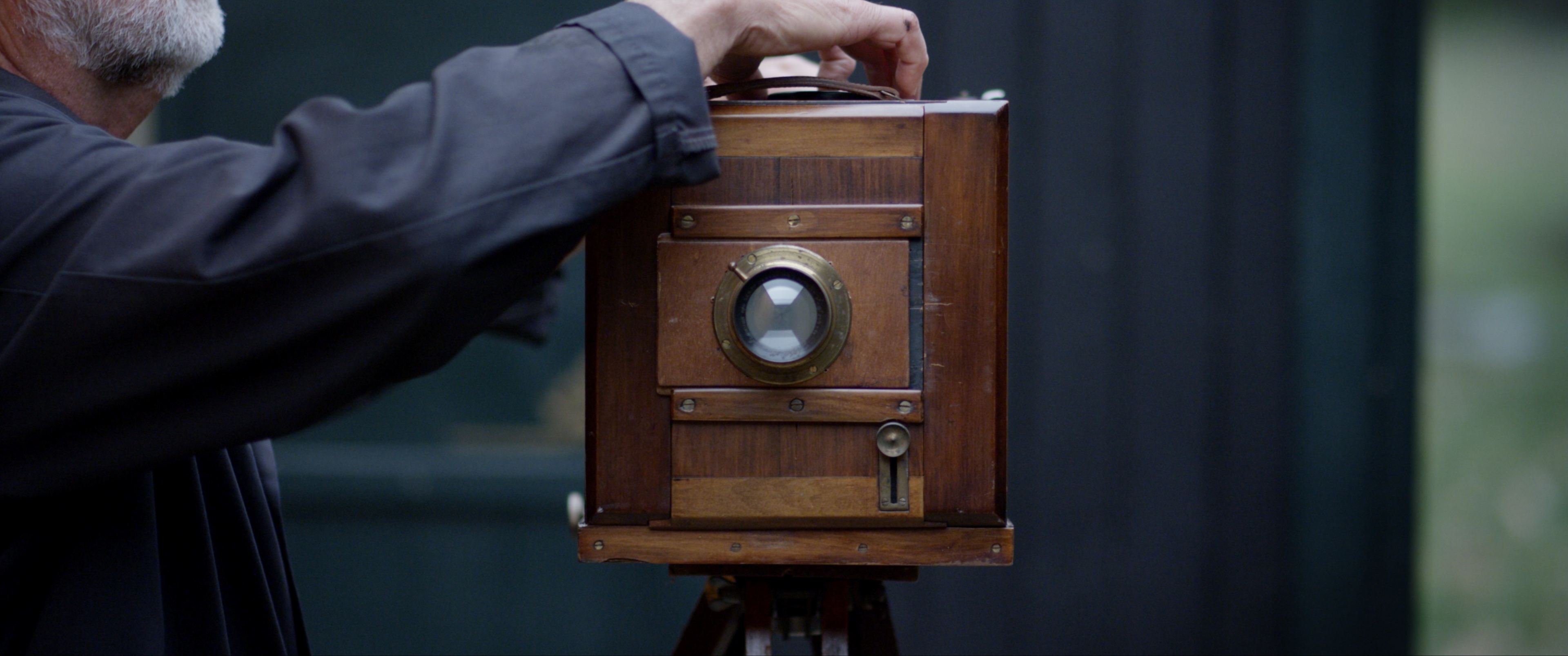
Brian Scadden, once one of only eight wet-plate photographers worldwide, helped revive a nearly lost art. 175 years after its invention, he continues the craft—sharing his passion, process, and belief in permanence in an increasingly digital, fleeting world.

Clocking in at just nine minutes, Through a Glass, Lightly is a deceptively modest film that leaves a lasting impression. Directed by Derrick Sims, the documentary profiles Wairarapa-based photographer Brian Scadden and his enduring devotion to wet-plate collodion photography; a method that demands precision, patience, and a reverence for the image itself.

At first glance, one might expect the film to delve deep into the technicalities of 19th-century photographic methods. And while a few viewers may be left wishing for more time spent on the process itself, Sims has a different aim. He uses Scadden’s story to prompt deeper reflection on how we capture, and value, moments in an increasingly digital world.

Scadden’s journey into photography began in childhood with a simple Box Brownie camera, bought at a local garage sale. That early spark of curiosity matured into a lifelong practice. He embraced the wet-plate method over 40 years ago, at a time when almost no one else in New Zealand was using it. It was, and remains, a deliberate choice to step away from convenience and instead embrace complexity.


The film gently guides us through Scadden’s world, where creating a single photograph is a ritual that can take up to 20 minutes. The steps; from mixing chemicals to coating the glass plate, exposing the image, and developing it before the plate dries—demand full attention. In contrast, today’s culture allows for thousands of images to be captured, filtered, and deleted in seconds. That ease, Scadden suggests, has led to a loss of appreciation. We are taking more photos than ever before, but keeping fewer that truly matter.

One of the film’s most memorable metaphors compares the wet-plate photographer to a hunter with a single bullet. When you only get one shot, you pause, assess, and focus. You are intentional. In today’s world of endless digital ammunition, the value of the individual shot has been lost. This analogy echoes far beyond photography; it speaks to how we consume, create, and connect in the modern era.

Visually, Through a Glass, Lightly is understated but elegant. The cinematography complements Scadden’s quiet, measured voice. There are glimpses of his hands at work, the light bouncing off his glass plates, and the stillness of his studio; all serving to reinforce the contrast between the meditative pace of his practice and the restlessness of contemporary life.


What makes this documentary particularly effective is its refusal to overstate its message. It doesn’t lecture or linger. Instead, it invites viewers to sit with a thought: that perhaps something has been lost in the shift from permanence to impermanence, from substance to speed. That a slower, more intentional way of seeing might still have a place; even if only in a few hands.

That said, the brevity of the film may leave some viewers wanting more. Ironically, the documentary itself takes less than half the time it would take Scadden to create a single photograph using his chosen method. This may well be the point. The film embodies its message, showing how in just a few minutes, something meaningful can still be captured; provided we take the time to look.

Through a Glass, Lightly doesn’t try to be grand or sweeping. It knows its scope and keeps to it. But within that small frame, it captures something essential: a reminder of the care, patience, and intentionality that once defined the art of photography; and the subtle warning that, as technology accelerates, we may be leaving more than just old methods behind.

In the end, this is a quiet, thoughtful film. It doesn’t ask for much; just a few minutes of your time. But what it gives in return is a sense of stillness and reflection, something increasingly rare in a world of endless scrolling. A film for those who have ever paused to ask not just how we take pictures, but why.

Directed by Derrick Sims | 9 mins | New Zealand | English | New Zealand Short Category

Screening at the Doc Edge documentary festival, in Auckland, Wellington, Christchurch and online from 25 June.   

Review written by Alex Moulton
TWO TRAVELLING AUNTIES [DOC EDGE 2025]

Norah and Susie document their adventurous road trips across continents. Beneath the laughter and wanderlust lies a story of quiet resilience—two women who defied judgement, embraced love, and chose freedom on their own terms.

Two Travelling Aunties, a short documentary screening as part of this year’s DocEdge programme, is a quietly moving portrait of two women who chose the open road over the confines of societal expectation. At first glance, it’s a charming and light-hearted tale about travel and companionship, full of warm laughter and colourful scenery. But beneath that surface lies a more complex, bittersweet truth; one that lingers long after the credits roll.

The film introduces us to Norah and her partner; two Singaporean women nearing their 60s who have thrown convention to the wind. In a culture where the label “auntie” is both affectionate and laden with expectations of domesticity, their decision to embrace life on their own terms is gently radical. Instead of settling into retirement or fulfilling roles set by tradition, they have embraced Overlanding; a lifestyle centred around long-term travel by campervan, where the journey is as important as the destination.

Their story is filled with joy: spontaneous detours through Morocco, quiet mornings by the coast in Greece, encounters with other travellers over shared meals and campfires. There’s laughter, lightness, and a sense of deep companionship. Through these simple scenes, the film gives us a glimpse into a life shaped by freedom; freedom from rigid routines, family obligations, and the expectations of what middle-aged women "should" be doing.


What makes Two Travelling Aunties stand out, though, is how gently it unveils the layers beneath this joyful surface. The film does not rely on dramatic revelations but allows the emotional depth to emerge gradually. Norah’s background, coming from a large, conservative Muslim family, brings weight to the story. Her choice to leave, as the only unmarried daughter among nine siblings, was not just about seeking excitement. It was a brave decision to prioritise her own well-being over duty, and to live life authentically rather than in quiet sacrifice.

The documentary’s turning point comes with the quiet, heartfelt realisation that Norah and her travel companion are also romantic partners. This revelation recontextualises everything we’ve seen. Their travels are not just about seeing the world—they are about carving out a safe space for their relationship, far from potential judgment or rejection. As a result, what begins as an uplifting tale of wanderlust also becomes a tender exploration of exile.

This shift lends a melancholic tone to the film’s later stages. While their lifestyle appears idyllic, the camera doesn’t shy away from the emotional costs. Four years into their journey, there is no clear path home, no guarantee of acceptance from their communities. It’s a painful reminder of how prejudice, particularly against LGBTQ+ individuals, still shapes lives in very real ways.


Yet even in this complexity, the documentary remains uplifting. The aunties live each day with intention; making new friends, tasting unfamiliar foods, and delighting in cocktails under the stars. There’s a sweetness to their shared life that is impossible to ignore, even as it coexists with sorrow.

Technically, the film keeps things simple. The dialogue is in English, with subtitles included to support comprehension, though at times the coloured text makes reading slightly difficult. The visuals capture the vibrancy of their journey without being overly polished, letting the focus remain on the people rather than the places.

Ultimately, Two Travelling Aunties is a film that celebrates choice, love, and courage. It reminds us that while choosing to live authentically may come with costs, it can also lead to a life filled with beauty, adventure, and connection. It’s a film that feels like a conversation with a friend; one filled with laughter, honesty, and the kind of vulnerability that sticks with you.

It’s sweet. It’s moving. And it’s quietly revolutionary.

Directed by Christine Seow | 22 mins | Singapore, United Kingdom | English | International Premiere – International Short Category

Screening at the Doc Edge documentary festival, in Auckland, Wellington, Christchurch and online from 25 June.   

Review written by Alex Moulton

VOICES FROM THE ABYSS [DOC EDGE 2025]

An intimate look at La Quebrada Cliff Divers and their ritualistic 100-feet dives into the sea.

Voices from the Abyss is a striking short documentary that marries evocative visual poetry with a cultural portrait of the La Quebrada cliff diving community in Acapulco, Mexico. At once reverent and stylised, the film offers a powerful yet meditative glimpse into a world defined by ritual, risk, and resilience.

Rendered entirely in black and white, the film’s aesthetic feels timeless; an ode to tradition that transcends generations. With slow-motion sequences and sharply composed tracking shots, cinematographer Eliott Reguera captures the stark contrast between the jagged cliffs and the graceful descent of the divers. This careful visual treatment elevates the physical act of diving into something almost sacred. The sound design and colour grading reinforce this tone, wrapping the viewer in an atmosphere that borders on spiritual.

Rather than using a conventional documentary format with sit-down interviews or overt narration, the directors allow the divers to tell their stories in their own voices; through poetic monologues, ambient reflections, and personal memories. These audio tracks float over the imagery, rather than synchronising with visible speakers. The result is intimate, but also abstract. We hear their fears, hopes, and injuries, but rarely see the speakers themselves. This decision adds a layer of mystery and symbolism, but it also introduces a sense of detachment. The voices become part of the artistic collage, rather than leading it.


At the heart of the film is the culture and community of the La Quebrada divers. Their shared identity spans age, gender, and heritage. Children begin diving at low heights, gradually building their strength, technique, and tolerance for fear as they mature. Their bodies tell the story too; calloused hands shaped by the rock, and joints that eventually give way to injury. There is an unspoken progression from youthful initiation to professional mastery, and finally to retirement brought on by physical toll.

What Voices from the Abyss does exceptionally well is conveying the passion and generational knowledge behind the dives. The film shows that diving here is more than a stunt or sport; it’s a way of life. And yet, this passion is tethered to economic necessity. While the poetic narration initially leans towards a romanticised view, the film only touches on the financial realities later on. One diver’s comment about needing someone to cover his jump because he was unwell subtly reveals that this is not just performance art; it’s paid labour, with families depending on the income. Their livelihoods are built on the edge of cliffs, both literally and figuratively.


Despite the documentary’s strengths in storytelling and atmosphere, the stylistic approach does introduce limitations. The beauty of the film comes at a cost: the raw thrill of the dive itself is often lost. With frequent use of slow-motion and cross-cutting, we seldom witness a full dive from start to splash. The awe-inspiring moment, the leap, the fall, the impact, is fragmented. This choice may serve the poetic tone, but it slightly dulls the visceral effect of witnessing someone willingly hurl themselves into a narrow sea inlet from 35 metres above.

That said, the documentary’s message remains strong. It brings forward voices that are often unseen, sharing the perspective of those who risk their bodies not just for adrenaline, but to uphold a cultural legacy and to feed their families. The divers speak not with bravado, but with reflection. Their words and movements, paired with the film’s precise editing and haunting soundtrack, create an emotional resonance that lingers well after the credits roll.


In many ways, Voices from the Abyss is more of a visual poem than a traditional documentary. It sacrifices some immediacy and clarity for atmosphere and symbolism, a trade-off that may divide viewers depending on what they seek from a documentary. But for those open to a more interpretive journey, it offers a captivating window into one of Mexico’s most daring and enduring traditions.

A beautifully composed and thoughtful short documentary that honours the legacy and spirit of Acapulco’s cliff divers. While its heavy editing and indirect narration reduce the sheer impact of the dives themselves, Voices from the Abyss still manages to shine as an artistic and emotional tribute to a remarkable community.

Directed by Irving Serrano, Victor Rejón | 23 mins | Mexico | Spanish | Australasia Premiere – International Short Category

Screening at the Doc Edge documentary festival, in Auckland, Wellington, Christchurch and online from 25 June.   

Review written by Alex Moulton

MOTHER OF CHOOKS [DOC EDGE 2025]

After losing her sister, Elaine discovers a surprising new companion in a chicken named Flapper. Now, with a flock of chooks and a mission to change how people see them, she’s become a local legend, The Mother of Chooks.

Mother of Chooks is a heartfelt and disarmingly sweet documentary that gently captures the life of Elaine James, a Geelong local whose deep companionship with her flock of rescued chickens leads her back into the heart of her community. Directed by mother-and-son team Jesse Samos Leaman and Maite Martin Samos, the film is a celebration of unexpected friendship, resilience, and the many forms that love can take.

At its core, this is a film about connection. Each morning, Elaine bundles up her beloved chickens—each with their own personality and quirks—and sets off into town. Whether chatting with locals at a café or paddling in the surf, Elaine and her feathered friends turn heads and spark smiles. Her bond with the chooks is remarkable: she knows them intimately, looks them in the eye without hesitation, and shares in their quiet companionship with gentle pride. The mutual respect between woman and bird is both amusing and touching.

There is a deeper context too. Having experienced the loss of her family and canine companions, Elaine could have easily slipped into isolation. Instead, she chose a path of lightness and laughter. Her chickens filled a void and, in doing so, opened up a new chapter of community engagement, joy, and purpose.

While the documentary slightly loses its narrative focus in the final third—largely due to an unavoidable filming disruption during the COVID-19 pandemic—its emotional core remains strong. The transition from a breezy portrait of companionship to a more reflective tribute may feel a little abrupt, but it never loses its charm.

Free of cynicism or tragedy, Mother of Chooks is a rare gem: wholesome, funny, and quietly profound. It’s a gentle reminder that companionship can come in many forms, and that kindness and love—be it feathered or human—can offer profound healing.

Directed by Jesse Samos Leaman & Maite Martin Samos | 19 mins | Australia | English | New Zealand Premiere – International Short Category

Screening as part of Shorts 4 Collection at the Doc Edge documentary festival, in Auckland, Wellington, Christchurch and online from 25 June.

SHEPHERD BOY [DOC EDGE 2025]

Alone on the edge of Doha, an abandoned dog navigates the harsh desert, his journey echoing the lives of those cast aside by progress. Through stunning visuals and lyrical storytelling, this haunting tale honours resilience, kinship, and survival in a shifting world.

In Shepherd Boy, director João Queiroga delicately captures the quiet tragedy of abandonment through the lens of a discarded dog navigating a world of ruin. Set in an active demolition zone, the short film serves as both a literal and metaphorical wasteland—a place where not only buildings but also relationships, responsibilities, and affections are dismantled and left behind.

The titular “shepherd boy” is a dog, once beloved, now forsaken. Through stark and poignant imagery, we observe him wandering the debris-strewn site, scavenging for food, seeking shelter, and gradually forming bonds with other strays. This deserted landscape becomes an unintended sanctuary—one built not out of choice, but necessity. The dog's journey unfolds without spoken dialogue, yet it speaks volumes about resilience, survival, and the emotional cost of human neglect.

Much like the ethical thought experiment of returning a shopping trolley—an act done purely out of consideration for others—the film raises a compelling moral question: what kind of person abandons a pet? There are no direct consequences for leaving an animal behind. And yet, as Shepherd Boy quietly demonstrates, the cost is evident in the suffering, confusion, and solitude etched into every frame.

There’s a heartbreaking dignity to the way these animals wait—often for days—for families that will never return. And while the cruelty of abandonment looms large, Queiroga also shows us moments of adaptation and hope. In the midst of a broken world, these animals build new forms of community, a fragile but enduring testament to life’s ability to persist.

Shepherd Boy is not subtle in its message, but it is profoundly moving. A quietly powerful short that lingers in the mind, it asks us to reconsider what we owe to the vulnerable beings who rely on us—and what it says about us when we turn away.

Directed by João Queiroga | 18 mins | Portugal, Qatar | Arabic, English, Hindi, Pashtun | World Premiere – International Short Category

Screening as part of Shorts 3 Collection at the Doc Edge documentary festival, in Auckland, Wellington, Christchurch and online from 25 June. 

STRANGE WAY OF LIFE (2023)


After twenty-five years Silva rides a horse across the desert to visit his friend Sheriff Jake. They celebrate the meeting, but the next morning Jake tells him that reason for his trip is not to go down the memory lane of their friendship.

Strange Way of Life is a short film directed and written by Pedro Almodóvar, starring Pedro Pascal, Ethan Hawke, and Manu Ríos. Right from the start, it's evident that this film is visually striking. The costumes designed by Saint Laurent transport us to a Wild West that's the epitome of high fashion.

Clocking in at just over thirty minutes, this short film keeps a brisk pace, never letting you lose interest. Almodóvar skillfully navigates the mechanics of masculinity and sexuality, contradicting how society teaches us to behave in a certain way when we're young.


Strange Way of Life delves deep into the world of traditional American cowboy masculinity while also delving into the taboos surrounding male-on-male desire. The visuals are nothing short of stunning, with cinematographer José Luis Alcaine capturing the colours and passion of this world brilliantly.

In the midst of this exploration, we find ourselves captivated by the reunion of Silva (Pedro Pascal) and Jake (Ethan Hawke). Their complex web of emotions oscillates between excitement, affection, confusion, and suspicion. After a night together, Jake's gruff demeanour hints that Silva's presence isn't just for a social visit.

Pedro Almodóvar crafted Strange Way of Life as a response to Brokeback Mountain, and it's clear that this is a romantic Western. While Hawke and Pascal's chemistry may not be completely genuine, it's still compelling. Their ability to convey a lifetime of longing within a short timeframe is a testament to their acting prowess.


The film's setting against a backdrop of arid brown rocks and a vast blue sky makes Silva and Jake stand out even more. It's a world that invites you to stay longer, and by the time the credits roll, you realize you've only scratched the surface of their story.

Almodóvar builds the sexual tension through subtle gestures, like a kiss on the back of the neck. However, the more explicit moments are seen in flashbacks featuring young Silva (José Condessa) and young Jake (Jason Fernández) passionately kissing. This film proudly falls under the category of a queer western, offering a more complex story about two conflicted individuals dealing with their own personal matters that impact their relationship.

Strange Way of Life offers a grounded, human story about desires and contradictions that shape us. It challenges the traditional cowboy archetype, placing it within a warm, domestic context. Much of the story is left to the audience's imagination, leaving you wanting more.


When the film ends, it feels like a new chapter is about to unfold for the characters. Ethan Hawke and Pedro Pascal shine as cowboys, portraying a combination of toughness, tenderness, and love. The film demonstrates that love doesn't have to hinder one's obligations and responsibilities. It unravels the emotions hidden beneath the facade of brave and self-confident gunfighters, revealing paths of dissatisfaction and loneliness.

However, Strange Way of Life leaves you wanting more due to its short runtime. The story moves swiftly with lengthy dialogues filled with exposition, leading to a resolution that may feel somewhat unclear.

The emotional and tension-filled moments between the characters are conveyed through looks and exchanges, making them all the more powerful. The film's production design by Antxón Gómez and costumes by Saint Laurent's Anthony Vaccarello add a fashionable dimension to the story. Alberto Iglesias' atmospheric music enhances the film's grandeur, making you wonder what could have been if it were a longer feature.


Pedro Almodóvar, known for pushing boundaries, challenges conventional notions of masculinity by placing sexuality at the forefront of the narrative. Ethan Hawke embodies the intense, no-nonsense Jake, while Pedro Pascal provides a flamboyant contrast, embracing life with boldness.

Strange Way of Life is an emotionally charged and tender tale of desire, love, eroticism, and sensuality set in the Far West. Almodóvar invites viewers to imagine a broader story beyond what's shown on screen, hinting at the rich past and future of the protagonists.

The film's approach to sex scenes is somewhat coy, showing glimpses of Silva's body but never revealing frontal nudity. As things heat up, the scenes fade to black, leaving much to the viewer's imagination. However, this restraint may leave some craving for more explicit content.


The film's costuming complements the beautiful Spanish landscapes where it was shot, creating an inviting tone for the audience. Yet, it's hard not to leave the film with a desire for a more extended exploration of the characters and their story.

Strange Way of Life delves into the complexities of male relationships, moving beyond friendship to explore the deep bonds that love can unexpectedly create. With a longer runtime, this film could have provided a more complete and satisfying picture of Silva and Jake's journey.

Strange Way of Life is in NZ cinemas from October 12, 2023

PEAKED (2019)


Damian and Steve flat in a house together but sometimes it's not all it's cracked up to be...

PEAKed is a six-minute short (that can be viewed in its entirety in the embedded player above) that was sent through with a request for a review. So why not...

The short follows our protagonist Damian and his day-to-day with an insufferable flatmate. A very simple premise, that works well because of its strong relatability. Everyone that has been in a flatting situation has come across these "quirks" from time-to-time and it instantly instils a sense of empathy and sympathy for our protagonist.

For a six-minute short, there is a delightful amount of variety in camera shots, with a good mix of static and panning, and well-designed cinematography overall. A lot of thought has gone into camera placement and angles, with the frequent pans creating a visually appealing dynamic. Though admittedly, there are a few shots where the shakiness of the camera during moving shots does become distracting. 

The short does make use of natural light as much as possible to great effect, only really causing slight issues in the exterior shots where excessive direct sunlight does lead to a slight blow-out over our characters face. 

Perhaps the weakness of the short is in its musical score. It doesn't quite fit the tone of the short, seeming more fit for a children's adventure story, or a mystery caper. That is up until the climax, when the music builds suspense and tension well, with some great use of sustained strings.

Overall, a solid effort for a short that was co-written, shot, directed, and edited, by one man. A simple, fun premise that was well-executed.